
Sustainable Upholstery Fabrics: Eco-Friendly Options for Furniture
07 October 2026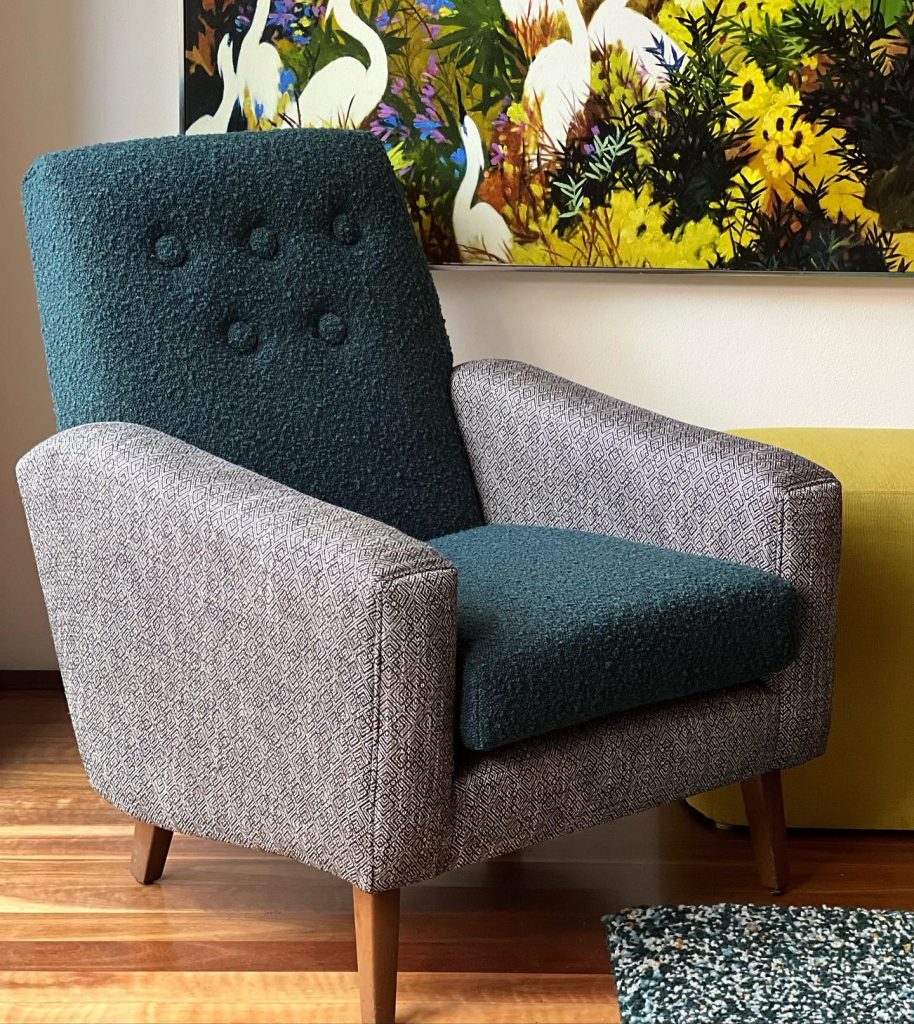
Choose sustainable upholstery fabrics for Sydney furniture with Absolute Upholstery, balancing durability, design and independently verified credentials.
Choose sustainable upholstery fabrics by looking at the whole project, not just a fibre label. The best option should suit how the furniture is used, how often it needs cleaning and the environmental credentials you want to prioritise.
Why Choose Sustainable Upholstery Fabrics for Furniture?
Sustainable upholstery fabrics can help reduce waste when paired with a well-made furniture frame worth keeping. Reupholstery gives sofas, chairs, ottomans, stools, headboards, cushions and commercial seating a new lease on life without replacing the entire piece. At Absolute Upholstery, we help domestic and commercial clients choose reupholstery as a practical, more sustainable option.
A suitable fabric should balance several factors:
- Durability: A material that suits the level of use can stay serviceable for longer and reduce the likelihood of early replacement.
- Fibre content: Natural, recycled and blended fibres can each have advantages, but fibre type alone does not prove that a fabric is environmentally preferable.
- Maintenance: Cleaning requirements matter, especially for family homes, hospitality venues and other high-use spaces.
- Project fit: Colour, texture, sunlight exposure, pets and expected wear should all influence the final choice.
Which Eco-Friendly Upholstery Materials Are Worth Considering?
There is no single most sustainable upholstery fabric for every project. Wool, linen, hemp, recycled fibres and blends can all be suitable depending on the application, appearance and performance required. Recycled-content fabrics may reduce the use of virgin materials, but their construction, treatments and testing should still be checked.
If you are comparing materials for a family sofa, our guide to leather vs fabric upholstery also explains practical differences in maintenance, comfort and wear.
The key is to avoid choosing sustainable upholstery fabrics on marketing language alone. A fabric that performs poorly in its intended setting may need replacing sooner, undermining the original sustainability goal.
How Can You Check Environmental Fabric Claims?
Independent certification can make environmental claims easier to assess. Good Environmental Choice Australia (GECA) has a Textiles & Leather standard that assesses criteria covering environmental, human health and social impacts across the product lifecycle.
When reviewing a fabric, ask for evidence rather than relying on terms such as “eco”, “natural” or “green”. Useful questions include:
- Is the product independently certified?
- What percentage of the fabric is recycled or natural fibre?
- Is the material appropriate for the expected level of wear?
- What cleaning products or maintenance does it require?
- Are there relevant performance or environmental documents available?
These checks give you a stronger basis for comparing products without assuming that one fibre is automatically the most sustainable choice.
Refresh Your Furniture with the Right Fabric
Absolute Upholstery has been operating in Sydney since 1994 and provides home and commercial upholstery services from our St Peters workshop and showroom. We can help you assess whether an existing piece is suitable for reupholstery and discuss fabric choices based on appearance, use and durability.
If you want to refresh quality furniture rather than replace it, these fabric choices can form part of a considered restoration approach. Request a quote or send us your project details to discuss your furniture, preferred finish and practical requirements.
Optimized by: Netwizard SEO